
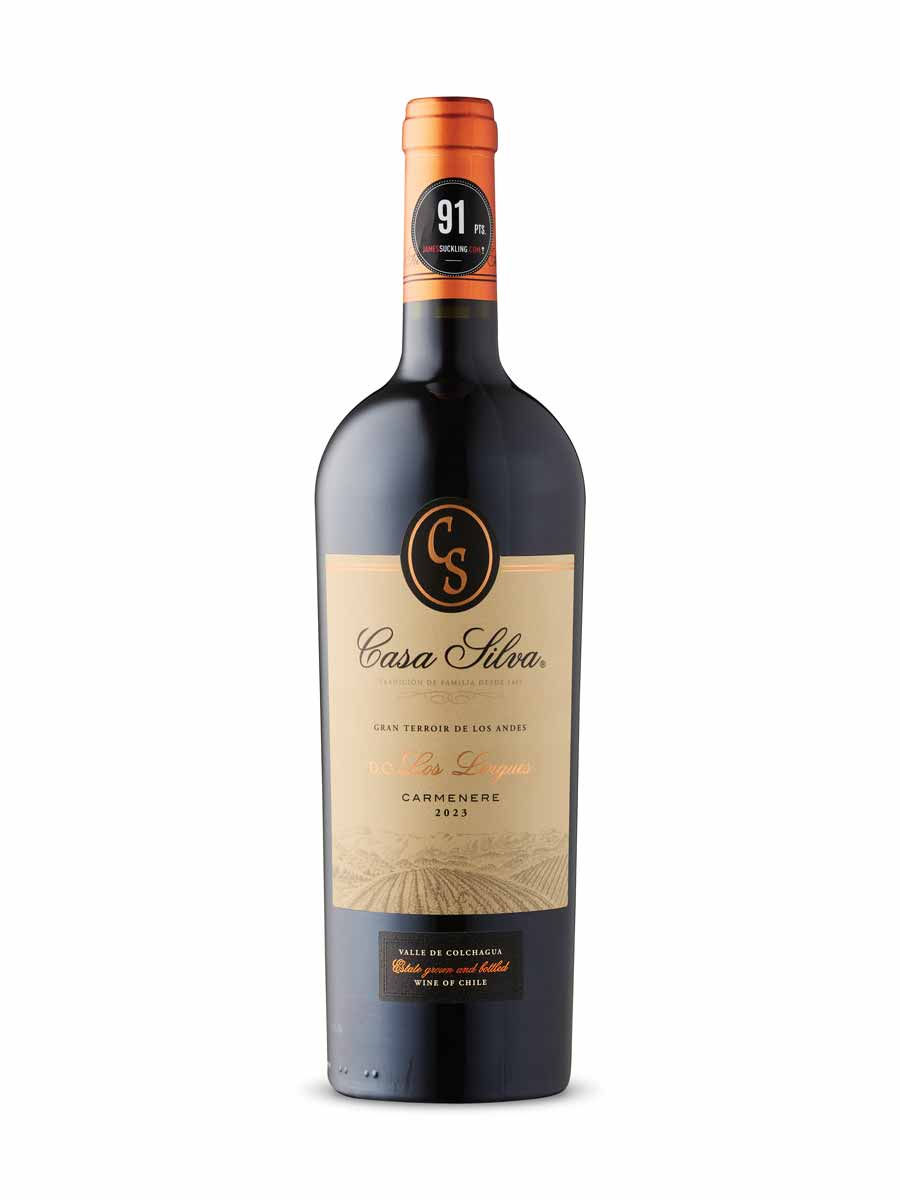
Please to view price history
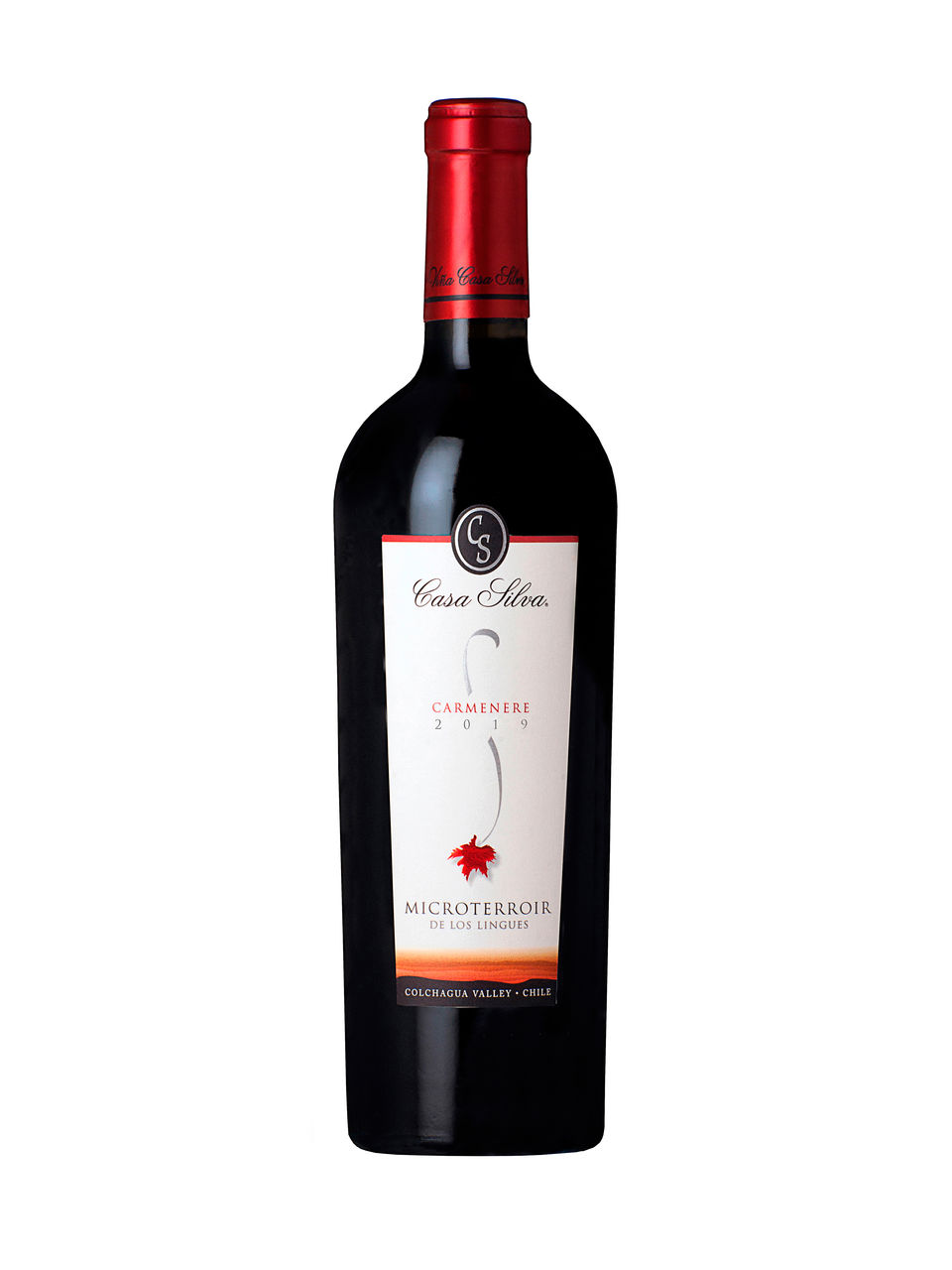
A delicious and very fruity version of Microterroir, Casa Silva's top wine, which they have been producing since 2005. In this 2019, a rather warm year in Colchagua, the fruits are ripe, red, and enveloping, and the oak (it was aged in barrels for a year) is evident, although after a while in the glass, it disappears faced with the strength of the fruity flavors. As usual in this wine, the tannins are soft and fine, and the herbal notes, typical of the variety, seem like background music. Casa Silva began planting its vineyards in Los Lingues, near the Andean sector of Colchagua, in 1997 and, after eight years and different soil studies, it began to develop a carmenere that would be above the rest of its portfolio. Microterroir comes from two blocks selected for their clay-rich soils that give the carmenere easier access to the water they retain so well. Score - 95. (Patricio Tapia, guiadescorchados.cl, 2023)
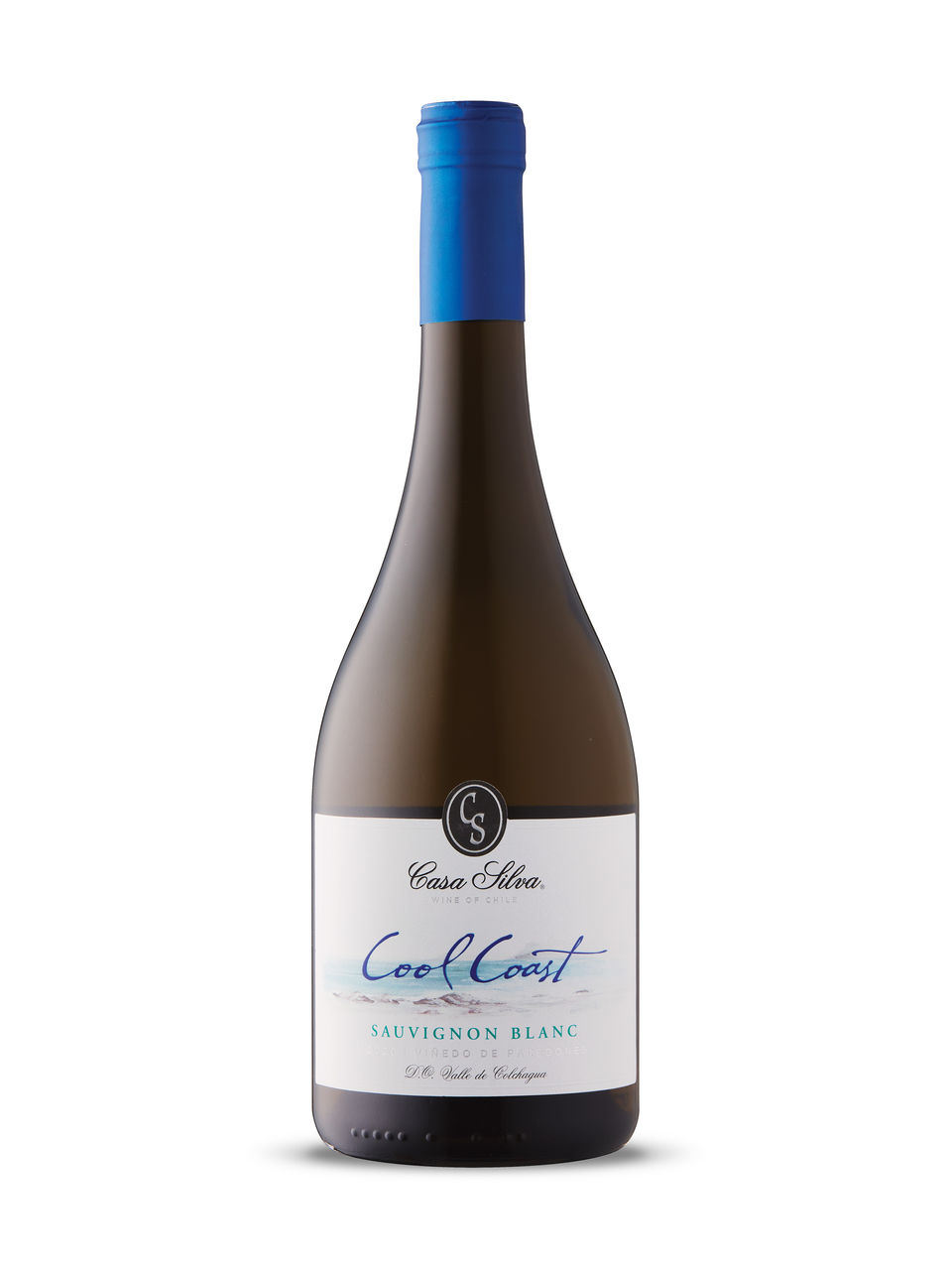
A stunning wine with really elegant aromas of roasted pepper, fennel, grapefruit, white currant, and gooseberry: it speaks of cool coastal Chile with ocean spray. The palate is dense, layered, structured, and replete, with intriguing blackberry bush complexity. Poised, with great complexity and length. Score - 96. (Decanter World Wine Awards, 2022)
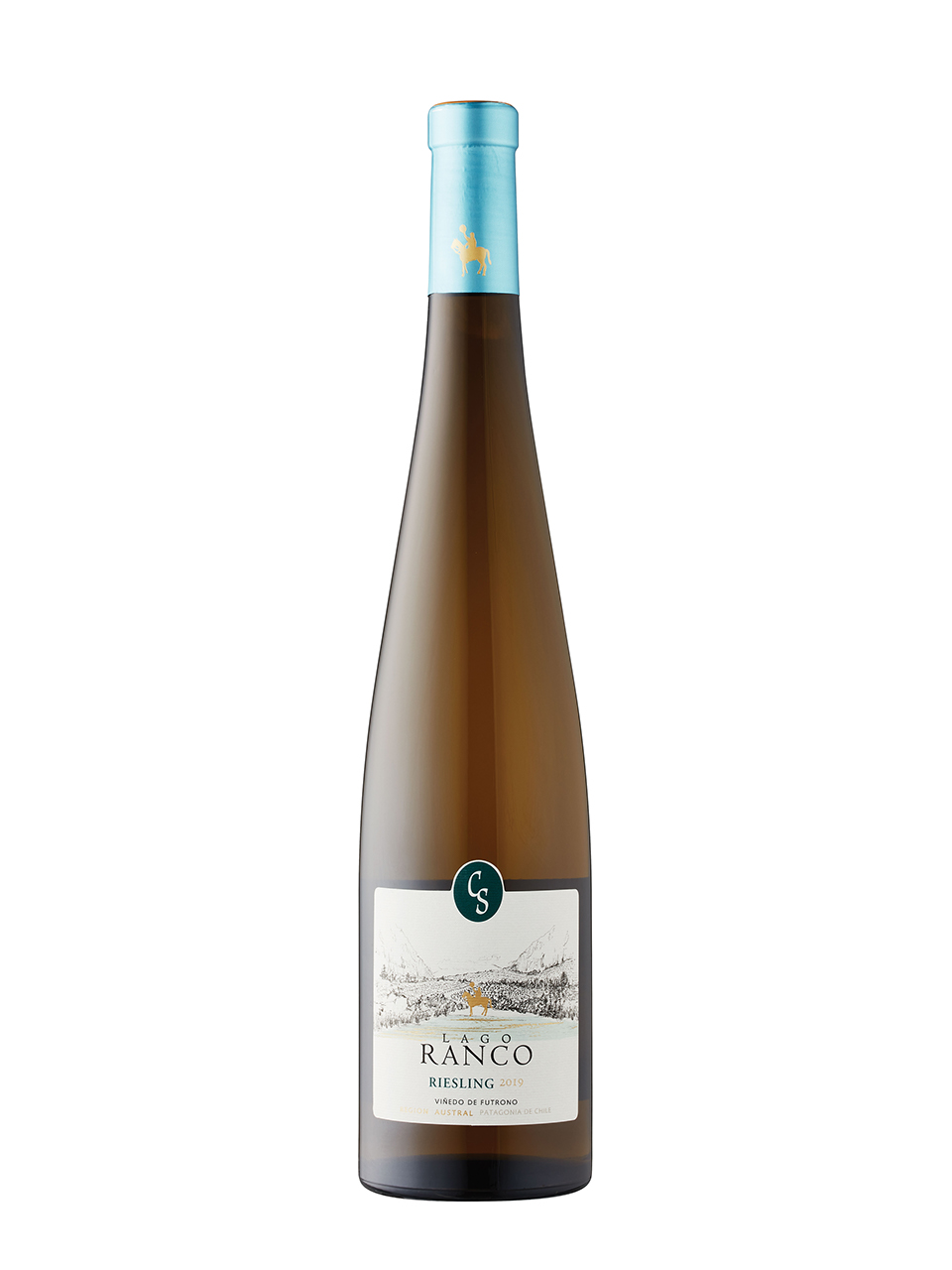
Always a contender for the title of Chile's top Riesling, this hails from a stunning site planted on volcanic soils in 2012. Light in alcohol, with a hint of kerosene and floral, lime juiceintensity, it's stony, concentrated and intense with mouth-watering acidity and stunning palate length. Drink date: 2021-2027. Score - 96. (Tim Atkin, MW, timatkin.com, Chile Special Report 2021)
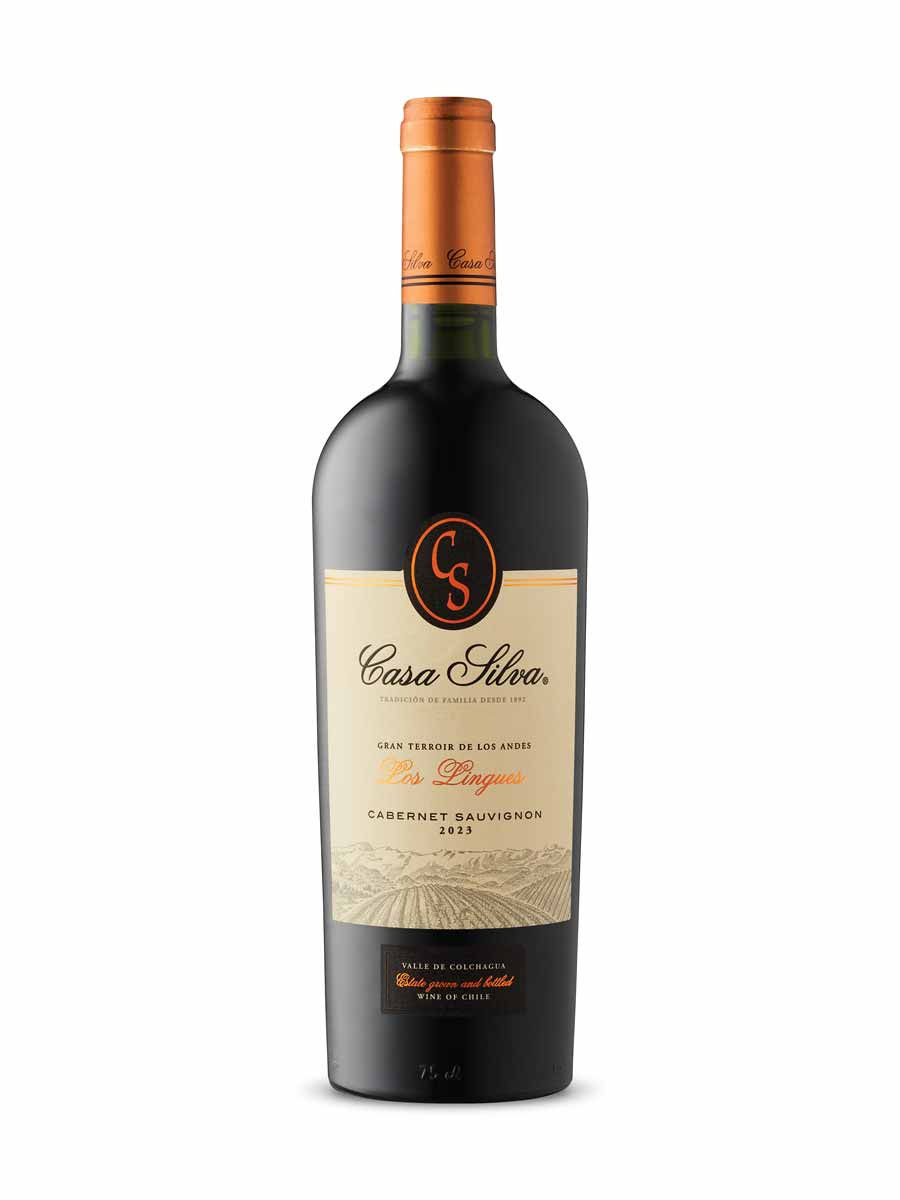
Los Lingues generally seems to produce Cabernet Sauvignons with density, focus and ageing potential, even at this very approachable price point. Mint and potpourri aromas shift into a palate of cassis, damson and graphite, supported by sinewy tannins and understated second and third-fill oak. Drink date: 2026-2031. Score - 91. (Tim Atkin, MW, timatkin.com, Chile Special Report 2025)